


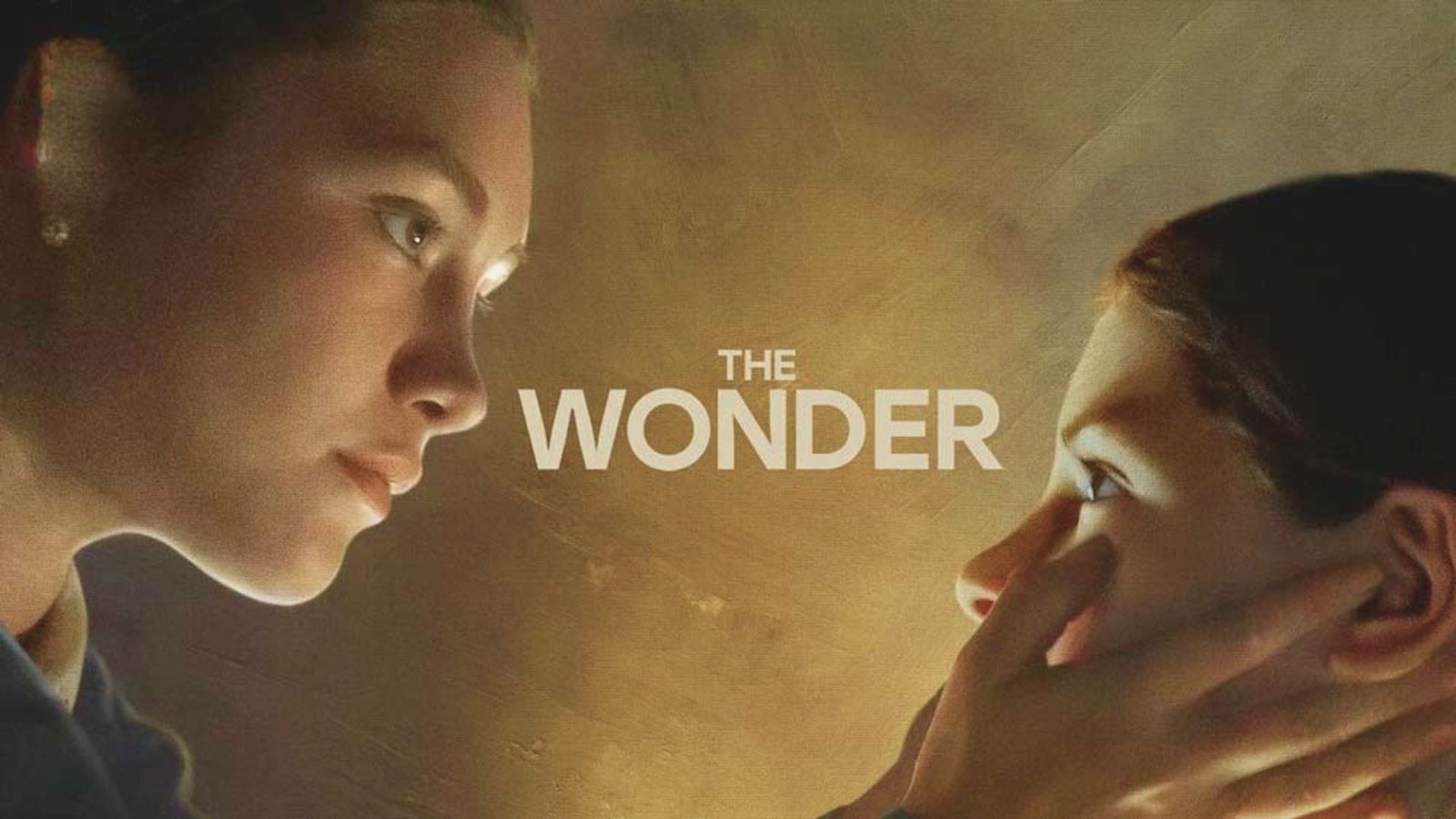
I’ll be honest with you. When I first heard about The Wonder, I almost scrolled past it. Another period piece?
But something made me hit play, and I’m so glad I did. Director Sebastián Lelio adapted Emma Donoghue’s novel into something that got under my skin in the best way possible.
If you’re here looking for a review, you probably felt that same pull. This 2022 film isn’t loud or flashy. It’s quiet, atmospheric, and honestly a bit unsettling.
I want to share why this slow-burn thriller stuck with me, and why it might do the same for you.
The Wonder (2022) – Spoiler-Free Overview

Let me set the scene for you. The film takes place in 1860s Ireland, right after the Great Famine.
At the center is Anna O’Donnell, a young girl who claims she hasn’t eaten in four months. The local community calls it a miracle.
Enter Lib Wright, an English nurse trained by Florence Nightingale. She’s brought in to watch Anna and find out the truth.
What I loved most is how the film builds tension without any dramatic tricks. No jump scares. No loud music. Just a quiet observation that slowly gets under your skin.
Themes That Drive The Wonder

The film explores deep questions about belief, morality, and grief that make you think long after watching.
Faith vs Rational Thought
This film doesn’t pick sides, and that’s what makes it compelling. Faith offers comfort to people who’ve lost everything. The villagers cling to miracles because it gives them hope.
But belief can become dangerous when it blinds you to reality. Lib represents science and logic. She questions everything. The tension between her skepticism and their devotion creates the heart of the story.
Watching vs Acting
Lib is hired to observe, not interfere. She’s supposed to stay neutral and report what she sees.
But what happens when watching isn’t enough? When does staying silent make you part of the problem? The film forces you to ask these questions. The moral weight of that choice is heavy.
Collective Trauma and Cultural Silence
The Great Famine isn’t just background. It’s everywhere in this film, even when nobody talks about it directly.
The Irish people have survived something horrific. That kind of trauma changes how you see the world. The film shows how suffering makes people desperate for meaning.
This layer of historical pain adds depth to every scene.
Florence Pugh’s Performance as Lib Wright

Pugh delivers a quiet, powerful performance that proves great acting doesn’t need to be loud or showy.
Florence Pugh doesn’t go big here, and that’s exactly why it works. She plays Lib with incredible restraint. No dramatic crying or explosive confrontations.
Instead, watch her eyes and body language. A tightened jaw. A quick glance. The way she grips her notebook. These tiny details reveal everything without spelling it out.
This is some of Pugh’s best work. She gives us a woman wrestling with doubt and desperation. In a film built on silence, her understated performance holds everything together.
Kíla Lord Cassidy as Anna O’Donnell

Cassidy brings depth to a difficult role, making Anna both vulnerable and mysteriously complex throughout the film.
Kíla Lord Cassidy had a tough job playing Anna. She needed to seem innocent but also carry something much darker. She pulls it off remarkably well.
Anna isn’t just a sick child. She’s a symbol of faith and suffering. Cassidy plays her with quiet intensity. Her pale face and steady gaze make you uncomfortable in the right way.
What impressed me most is how she holds her own against Florence Pugh.
Direction and Screenplay

Lelio crafts a film that challenges viewers to think critically while staying grounded in emotional reality.
Sebastián Lelio’s Quietly Confrontational Style
Lelio doesn’t let you sit back and just watch. He pulls you into the story. The camera lingers on uncomfortable moments. Long silences force you to think.
This isn’t passive entertainment. Lelio wants you to question everything. Is Anna truly fasting? Are the villagers naive or complicit? The film asks big questions but keeps them rooted in real emotion.
Adapting Emma Donoghue’s Novel
Emma Donoghue adapted her own novel, which helps keep things faithful. The core story translates well. The claustrophobic tension works perfectly on screen.
But some internal thoughts get lost. Novels let you inside a character’s head. Film relies on what you see. A few nuanced moments don’t hit as hard without Lib’s inner voice.
Cinematography, Score, and Atmosphere

The film uses visuals and sound to create a sense of dread that never lets up.
Visual Gloom and Psychological Unease
The color palette is bleak. Grays, browns, and washed-out greens dominate every frame. It feels cold and lifeless, matching the post-Famine setting perfectly.
The framing is tight and claustrophobic. You feel trapped in that small room with Anna and Lib. The camera stays uncomfortably close. This isn’t a sweeping period drama. It’s intimate and suffocating.
There’s a horror element too. Not jump scares, but a creeping sense that something is very wrong.
An Unsettling Musical Score
The music doesn’t comfort you. It adds to the tension. This isn’t your typical period drama with soft strings and gentle melodies.
The sound design builds pressure. Silence becomes as powerful as music. When the score kicks in, it feels off-balance. It keeps you on edge throughout.
Critical Reception and Audience Response
The film earned praise from critics but left some viewers divided on its slow, deliberate pacing.
Critics appreciated the film’s restraint and intelligent storytelling. They praised Pugh’s performance and Lelio’s direction. Most reviews highlighted its thought-provoking themes.
But mainstream audiences were split. Some found it too slow. Others felt frustrated by its ambiguity. The film asks you to think and sit with discomfort.
It’s an art-house film on Netflix, which creates expectations it doesn’t try to meet.
Is The Wonder Worth Watching?

This film rewards patient viewers who appreciate slow-burn storytelling and moral complexity over easy answers.
You’ll love this if you enjoy character-driven dramas that make you think. If you appreciate restrained performances and atmospheric tension, this is for you.
You might struggle with it if you prefer faster pacing or clear answers. This isn’t a feel-good movie. It’s heavy and deliberately slow.
Go in expecting a meditation on faith and morality, not a traditional mystery. Let the film breathe. If you meet it on its terms, it’ll stay with you.
Conclusion
The Wonder isn’t a film that wraps things up neatly with a bow. It sits with you. Days after watching, I found myself thinking about Lib’s choices and what I would have done differently.
This film asks hard questions about belief, responsibility, and how far we’ll go to protect what we hold dear. It doesn’t comfort you or tell you everything will be okay.
Instead, it challenges you to sit with discomfort and think deeply. That’s exactly why it matters. Some films entertain. This one makes you feel and question everything.
Frequently Asked Questions
Is The Wonder based on a true story?
No, it’s not based on actual events. However, Emma Donoghue drew inspiration from historical “fasting girls” cases that occurred in the 19th century across Europe and America.
Is The Wonder a horror movie?
It’s not a traditional horror film, but it has unsettling psychological elements. The tension builds through atmosphere and moral dread rather than jump scares or gore.
How accurate is The Wonder to the book?
The film stays quite faithful to Emma Donoghue’s novel since she wrote the screenplay herself. Some internal character thoughts are lost in translation, but the core story remains intact.
Why is The Wonder so slow-paced?
The deliberate pacing serves the story’s themes about observation and patience. Director Sebastián Lelio wants you to feel the weight of watching and waiting alongside Lib Wright.
Does The Wonder have a happy ending?
Without spoiling anything, the ending is complex and morally ambiguous. It doesn’t provide easy comfort or simple resolutions to the difficult questions raised throughout the film.