

Looking for a real arctic blast movie review before you press play? I sat through this disaster film so you don’t have to guess.
This review covers the plot, cast performances, special effects, and how realistic the science actually is.
I’ll tell you straight if it’s worth 90 minutes of your life or just another forgettable flick. As someone who watches disaster movies regularly, I know what separates good from bad.
You’ll get my honest opinion on what works, what fails, and who should actually watch this. I’m covering the storyline, characters, visuals, tone, strengths, weaknesses, and my final verdict.
Let’s break it all down.
What Makes Arctic Blast Stand Out

Arctic Blast tries to mix environmental warnings with classic disaster movie action. Released as a TV movie, it tackles climate catastrophe on a smaller budget.
The film takes place in Tasmania where a hole in the ozone layer causes deadly freezing air to spread across the land.
Director Brian Trenchard-Smith brings his B-movie experience to the project. The cast includes Michael Shanks, Alexandra Davies, and Saskia Hampele. It aims to give viewers large-scale disaster excitement without Hollywood money.
The question is whether it succeeds or falls flat.
Plot Summary

The story centers on a rapid climate disaster hitting Tasmania without warning or mercy.
Setting and Premise
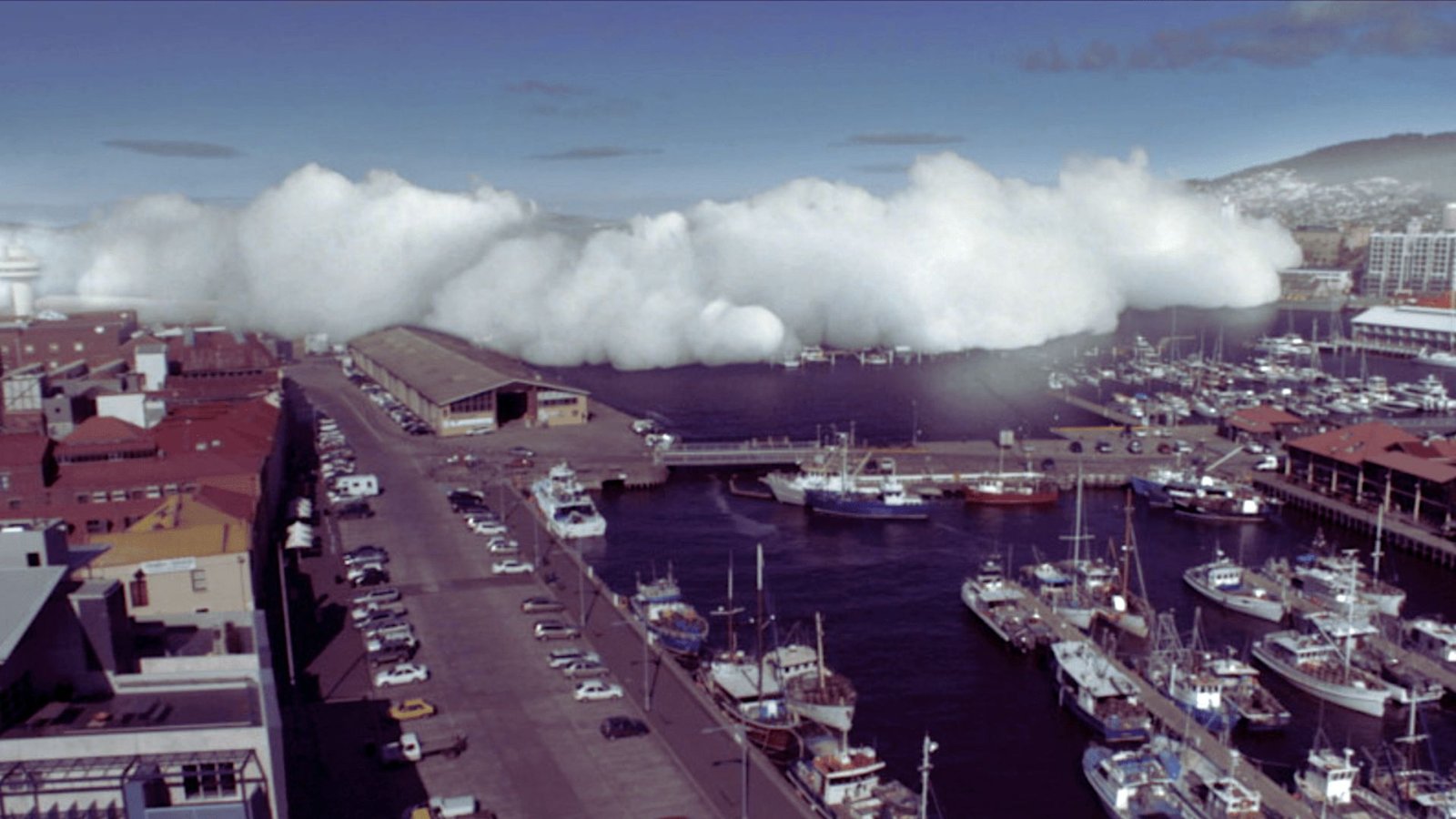
The movie takes place in Hobart, Tasmania. A massive rip forms in the ozone layer above the region. This tear releases arctic air that freezes everything instantly.
The disaster strikes fast and spreads quickly. Temperatures drop to deadly levels in minutes. The local population has no time to prepare or evacuate safely.
Main Storyline
Jack Tate works as a meteorologist tracking the crisis. He races against time to understand and stop the spreading freeze. His ex-wife Emma and daughter Naomi add personal stakes to the mission.
Jack must balance saving his family with warning the public. The relationship drama adds emotional weight to the scientific race.
His connection with colleague Zoe Quinn also develops throughout the crisis.
Key Events & Turning Points
A ghost ship appears frozen in the harbor early on. This mysterious vessel signals the coming disaster. The ice fog begins moving inland from the coast. It consumes everything in its path with brutal efficiency.
Jack works to predict where it will strike next. The climax involves desperate attempts to outrun the freezing air. The resolution tests both scientific solutions and human courage.
Characters & Performances

The cast brings warmth to a cold disaster setup with mixed results across the board.
Jack Tate: Protagonist Analysis
Michael Shanks plays the lead meteorologist with solid commitment. He makes Jack feel competent without being a typical action hero. His scientific expertise comes across as believable enough.
The character has flaws that make him relatable. Jack balances professional duty with family concerns throughout. Shanks handles the emotional beats better than the technical dialogue.
Emma and Naomi: Family Dynamics
Alexandra Davies plays Emma, Jack’s ex-wife, with practical strength. The divorced parents angle adds familiar drama to the plot.
Their daughter Naomi creates typical family tension during the crisis. The relationships feel formulaic but not completely hollow. These characters give Jack personal reasons to survive.
Zoe Quinn & Supporting Cast: Contributions and Character Depth
Saskia Hampele brings energy as research partner Zoe Quinn. Her chemistry with Jack develops naturally as the danger grows. Supporting characters fill standard disaster movie roles.
Some local officials and citizens add color to the chaos. Most supporting performances land somewhere between adequate and forgettable.
Notable Performances: Highlights and Weak Spots
Shanks carries the film with reliable professionalism. Hampele adds spark whenever she appears on screen. Some supporting actors deliver wooden lines that hurt scenes.
The child actors struggle with emotional moments. Overall the cast does more good than harm.
Visuals and Special Effects

The movie stretches its limited budget across ambitious disaster scenes with varying success.
CGI and Practical Effects: Quality, Strengths, and Weaknesses
The computer graphics show their TV movie origins clearly. Some CGI shots look decent for the budget level. Others appear flat and unconvincing during key moments.
Practical effects work better when the film uses them. The frozen bodies and ice formations have more impact. Mixing both approaches helps hide the budget constraints somewhat.
Disaster Sequences: Memorable Scenes and Execution
The spreading ice fog creates real tension in several scenes. Watching it consume buildings and vehicles works well. Some action sequences deliver the thrills you want.
The scale feels appropriately threatening despite limited resources. A few moments capture genuine disaster movie excitement.
Consistency of Effects: Logical Issues with Ice Fog and Freezing Scenes
The freezing speed changes based on plot needs. Sometimes people freeze instantly, other times they run for minutes. The ice fog moves at inconsistent speeds throughout.
Some scenes show immediate death while others allow conversation. These logical gaps hurt the believability factor. You’ll notice the inconsistencies if you pay attention.
Scientific Accuracy & Realism

The film takes serious liberties with climate science and physics for entertainment value.
Plausibility of the Disaster: Ozone Layer, Freezing Air, and Temperatures
The core premise stretches scientific possibility pretty far. Ozone layer damage doesn’t work quite like the movie shows. Freezing air spreading like fog ignores basic atmospheric physics.
The temperature drops happen impossibly fast. Real climate disasters unfold differently than this portrayal. The movie prioritizes spectacle over accuracy completely.
Movie Logic vs Reality: Exaggerated or Illogical Elements
Characters survive situations that would kill anyone instantly. The freezing effects pick and choose victims randomly. Weather patterns behave in convenient rather than realistic ways.
Scientific equipment does things beyond actual capabilities. The solutions proposed wouldn’t work in reality. Expect plenty of head-scratching moments if you know science.
Impact on Enjoyment: Suspension of Disbelief and Entertainment Value
The scientific problems matter less if you accept the genre. Disaster movies always bend reality for drama. Arctic Blast asks for more suspension of disbelief than most.
Some viewers will laugh at the impossibilities. Others can ignore them and enjoy the ride. Your tolerance for movie science determines your experience.
Tone, Humor, and Campiness

Arctic Blast walks a shaky line between serious disaster film and silly B-movie fun.
Intentional vs Unintentional Humor
Some funny moments seem planned by the filmmakers. Others come from awkward dialogue or acting choices. The script includes light comic relief during tense scenes.
But many laughs come from unintended absurdity instead. It’s not always clear what’s meant to be funny. This confusion adds to the B-movie charm for some.
Campy B-Movie Elements: Comparisons to The Day After Tomorrow
Arctic Blast shares DNA with bigger budget disaster films. It copies The Day After Tomorrow’s basic setup on a smaller scale. The campiness feels more pronounced with limited resources.
Dramatic moments sometimes tip into ridiculous territory. The film embraces some B-movie tropes without full commitment. It lands somewhere between serious and self-aware.
Audience Appeal: Who Will Enjoy It and Why
Fans of TV disaster movies will find familiar comfort here. People who love bad-good movies might enjoy the absurdities. Those seeking serious climate drama will feel disappointed.
The film works best as casual background entertainment. You need the right expectations going in. Approach it as a fun B-movie rather than a prestige film.
Strengths and Weaknesses

Arctic Blast delivers some genuine fun while stumbling over its own ambitions and limitations.
Strengths: Likable Cast, Entertaining Disaster Sequences, Environmental Message
Michael Shanks makes a solid and believable lead character. The core cast keeps you invested despite weak material. Several disaster scenes create real excitement and tension. The environmental warning has good intentions behind it.
The pacing moves fast enough to avoid total boredom. Some practical effects and frozen scenes look genuinely good.
Weaknesses: Low Budget, Over-Reliance on Monitor Screens, Inconsistent Science, Pacing Issues
The limited budget shows in every frame clearly. Too many scenes involve people staring at computer screens. The scientific inconsistencies pile up quickly throughout.
Some middle sections drag despite the short runtime. Character development feels rushed and formulaic. The CGI quality varies wildly from shot to shot.
Memorable Scenes

A few moments stand out from the generic disaster movie formula for better or worse.
Ice fog rolling into a small diner creates genuine creepiness. Patrons realize too late the danger approaching outside.
The sequence builds tension effectively with simple means. A beach scene with Jack’s daughter adds emotional weight.
The father-daughter moment lands better than expected. Some disaster deaths cross into absurd comedy territory.
Characters freeze mid-action in ridiculous poses sometimes. These moments work if you embrace the camp factor. They’re hilarious failures if you can’t suspend disbelief.
Final Rating
Arctic Blast earns a 5 out of 10 from me. It’s watchable but forgettable. The film does enough right to keep disaster movie fans entertained for one viewing. Michael Shanks and the core cast make it bearable.
Some freeze sequences genuinely work. But the low budget, inconsistent effects, and shaky science hold it back. It’s not bad enough to hate or good enough to recommend widely.
If you’re scrolling through TV movies on a lazy afternoon, it’ll do the job. Just set your expectations low and you might have some fun with it.
Conclusion
I found Arctic Blast to be decent fun for what it is. It’s not great cinema but it kept me watching. The cast tries hard despite the limitations. The disaster scenes deliver enough thrills for genre fans.
If you love B-movie disasters or need something easy to watch, give it a try. Just don’t expect scientific accuracy or award-winning performances.
I’d rate it a solid 5 out of 10 for disaster movie fans. It’s the kind of film you watch once and forget, but it’s not painful.
Have you seen Arctic Blast? Drop your thoughts in the comments below. I’d love to hear if you enjoyed it or found it too silly.
Frequently Asked Questions
Is Arctic Blast Based on a True Story?
No, Arctic Blast is completely fictional. The movie uses real climate concerns but creates an impossible disaster scenario. The ozone layer damage shown doesn’t reflect actual science.
Where Was Arctic Blast Filmed?
The movie was filmed primarily in Australia. It uses Tasmania as the setting and is filmed in various Australian locations. The production kept costs down by shooting locally.
Is Arctic Blast Suitable for Kids?
The movie has some intense disaster scenes and deaths. Younger children might find the freezing sequences scary. It’s probably fine for teens who enjoy disaster films.
How Does Arctic Blast Compare to Other Disaster Movies?
It’s similar to The Day After Tomorrow but on a much smaller budget. The quality sits below major Hollywood disaster films. It ranks average among made-for-TV disaster movies.
Is There an Arctic Blast Sequel?
No sequel was made to Arctic Blast. The film works as a standalone TV movie. It didn’t gain enough popularity to warrant a follow-up.